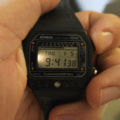
One day I got a message from Badr. He wrote from Saudi Arabia about a Casio JG-10 he’d had since he was a kid, the watch had stopped working years ago and he wanted to see it running again. There was a problem though. Shipping from Saudi Arabia to Poland wasn’t possible at that time, his post office simply wouldn’t send packages there.
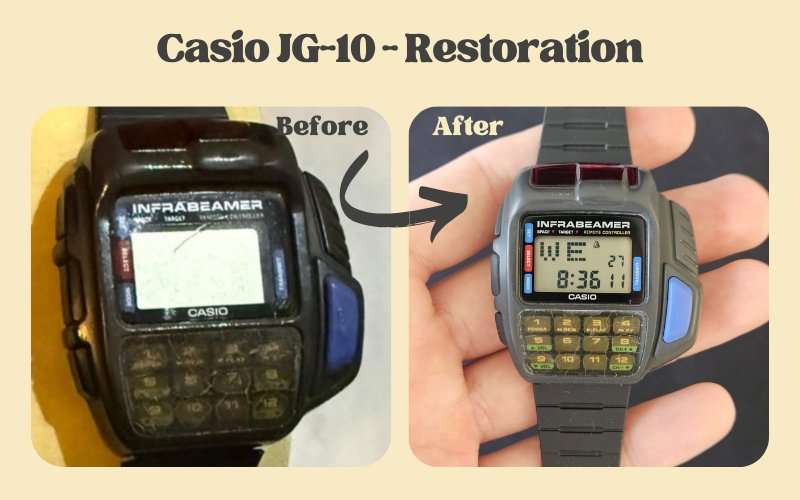
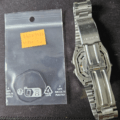
But Badr had friends in Europe who travel frequently, so after a few messages back and forth we worked it out. His cousin took the watch to London, from London it came to me in Poland, and after the restoration it would go back the same way. That kind of effort, before a single screw is turned, already tells you something about what a watch means to someone.
The JG-10 is not a model you see often. When it shows up on auction sites, it’s usually in rough shape, incomplete, damaged, or priced high because someone knows what it is. One of those Casios that collectors notice immediately, and most people have never heard of. 😄 This is the story of bringing one back. It wasn’t simple, but it was worth it. 🛠️
What Did the Watch Look Like When It Arrived?
The first thing I noticed was the keypad. It was scorched and blackened, the kind of damage that doesn’t come from normal use. I already knew going in that this would be a problem, and once I had the watch in my hands it was confirmed, the keypad couldn’t be saved without replacing it. Unfortunately there’s no new old stock available for the JG-10, and every donor watch I found on eBay had the same story: keypad already torn or missing. That part of the watch would have to stay as it was.
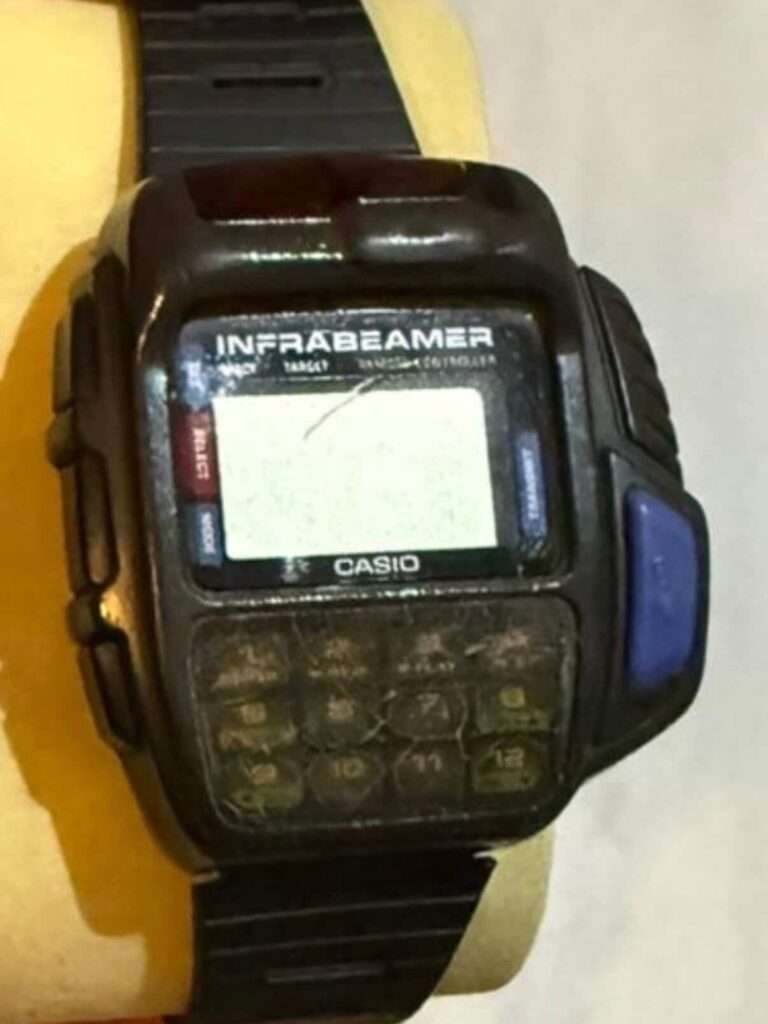
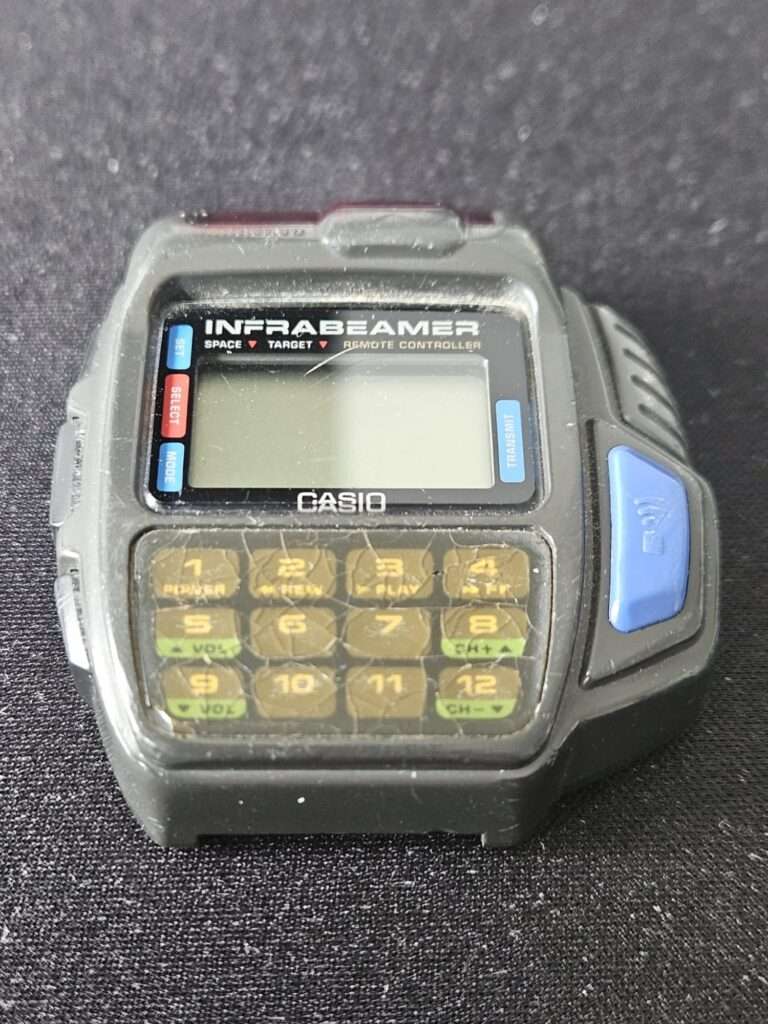
The rest of the case told the usual story of a watch that lived a real life. Dirt packed into the crevices, scratches across the case, and two screws missing from the back cover. Cosmetically, a lot of work ahead.
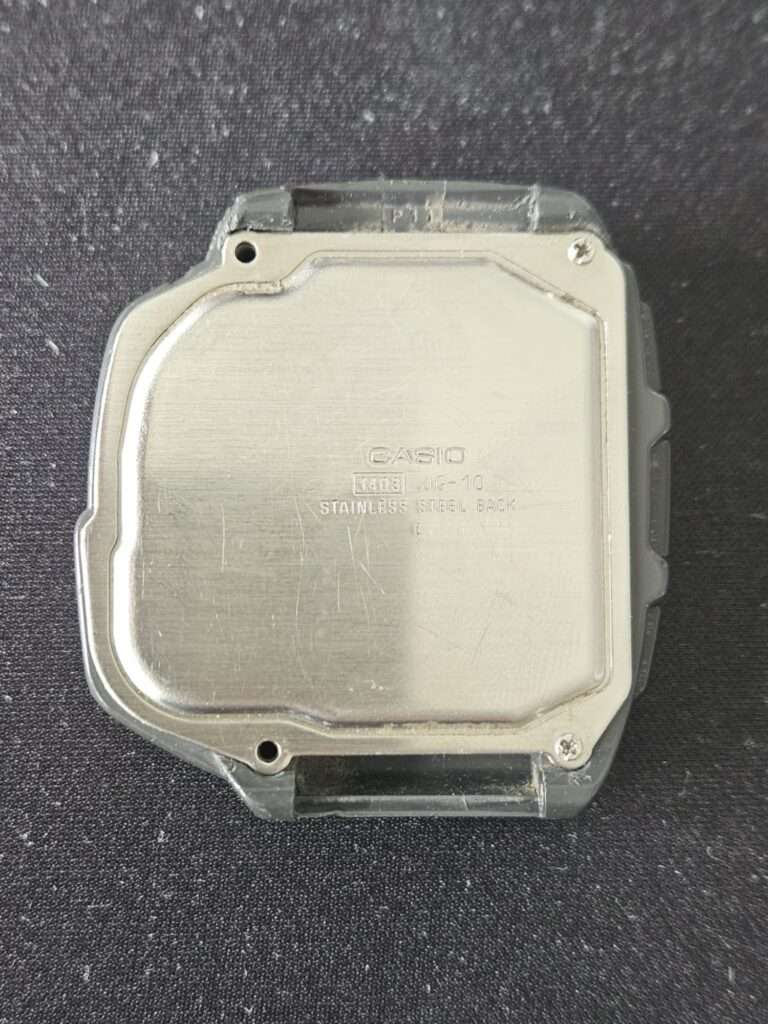
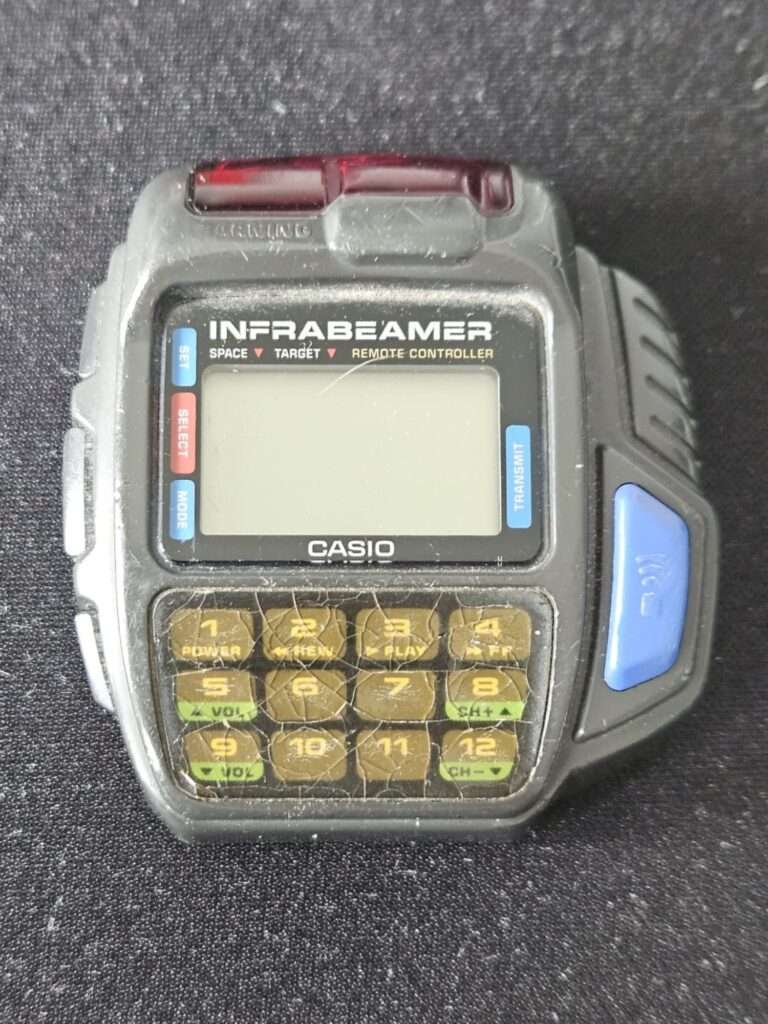
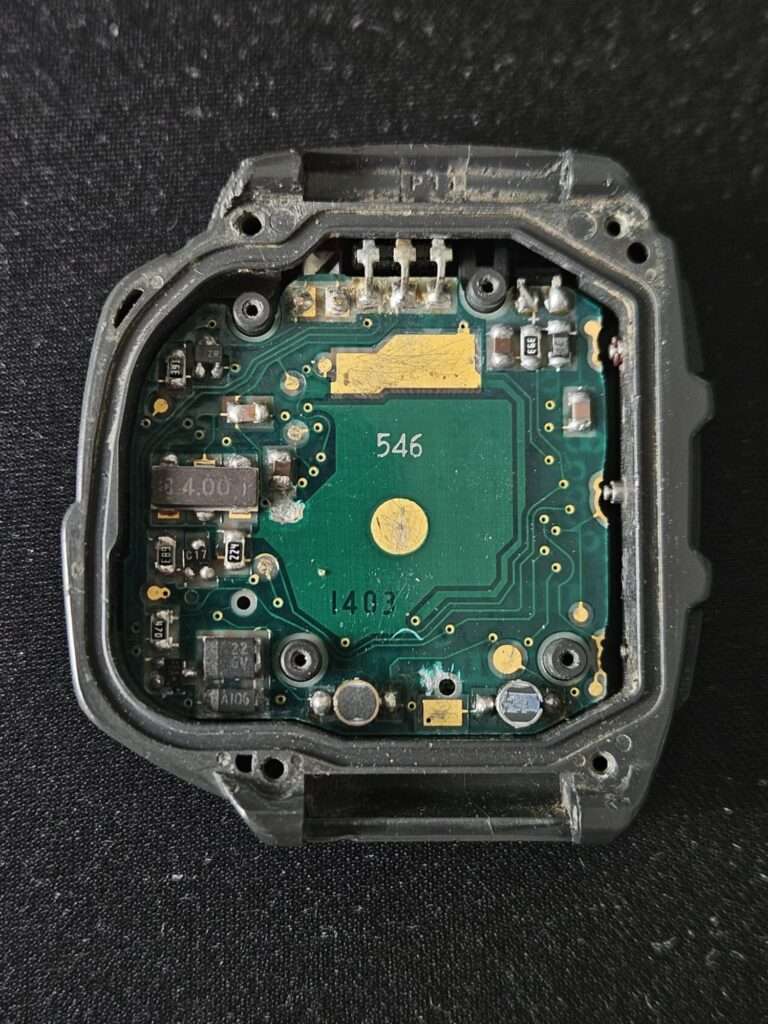
The electrical side was the bigger unknown. Badr had told me upfront that the watch showed no signs of life after a battery and AC reset, no display, nothing. That’s always a risk to accept before you even open the case, and I accepted it. When I got the module on the workbench and started the diagnosis, I found three components missing: the sound spring, the battery holder clip (which meant the battery was floating loose with no contact to the PCB), and the front rubber button gasket (which explained why the buttons weren’t responding).
Casio JG-10 – Restoration Process
Step 1: Finding the Missing Parts and Diagnosing the Module
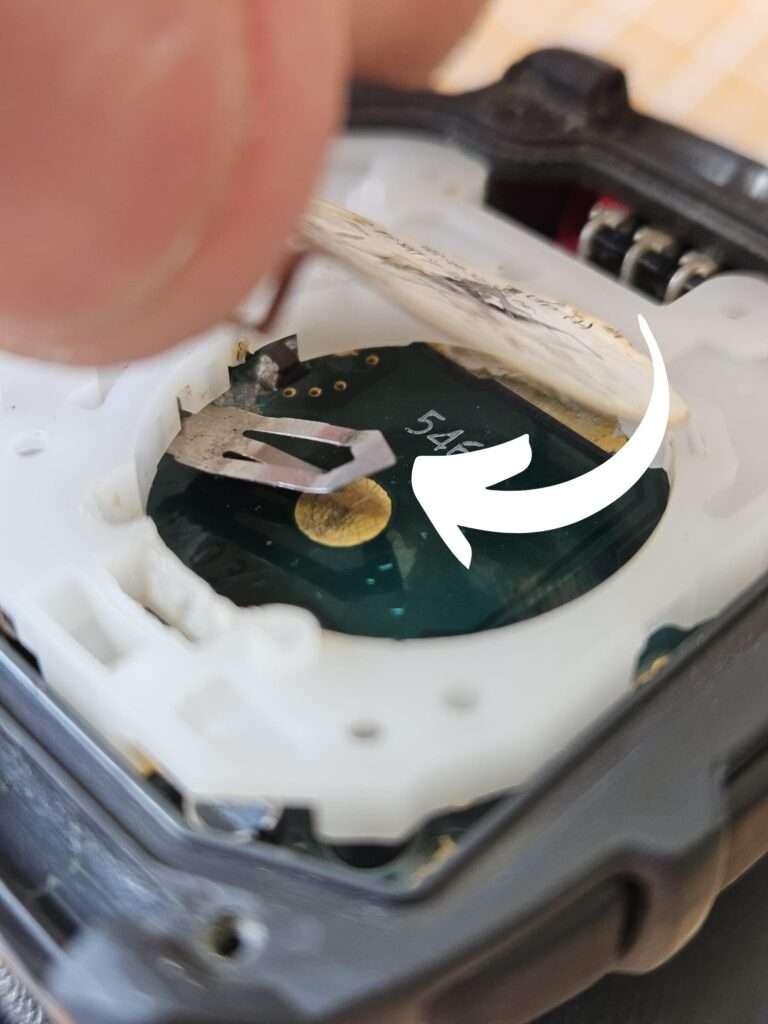
I have a collection of donor watches on the shelf for exactly this kind of situation. The sound spring, battery holder clip, and front rubber button gasket all came from my parts stock, correct fits for the JG-10. After sourcing the parts, I cleaned the PCB and zebra strips with IPA alcohol, assembled everything, and powered the module on.
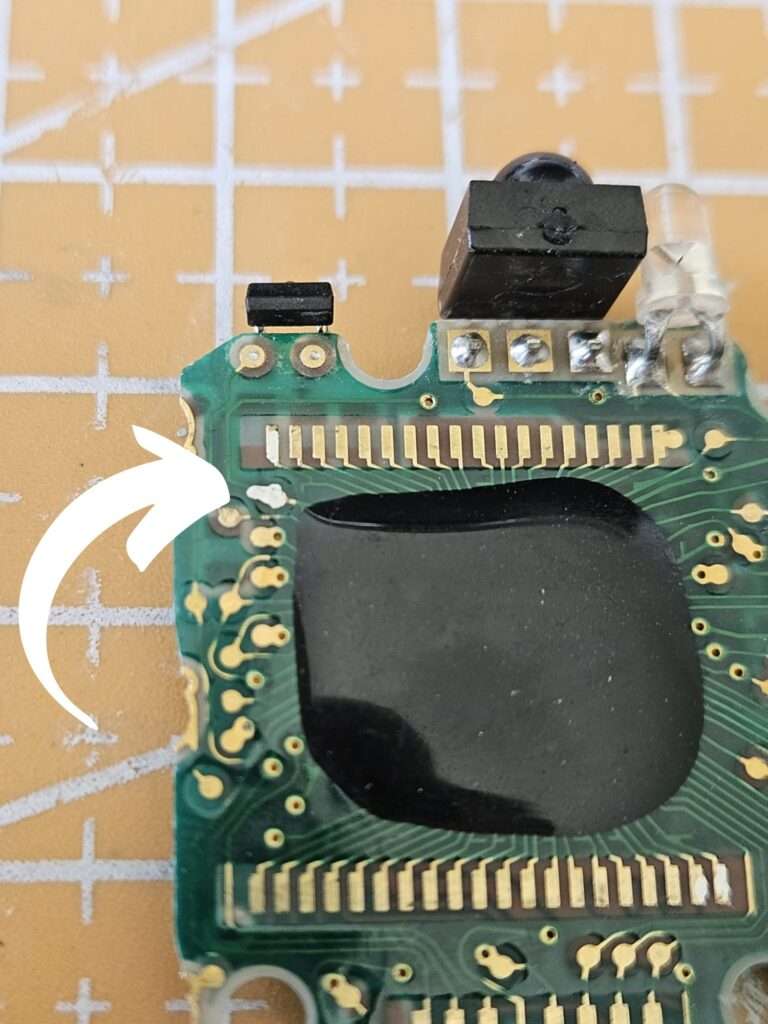
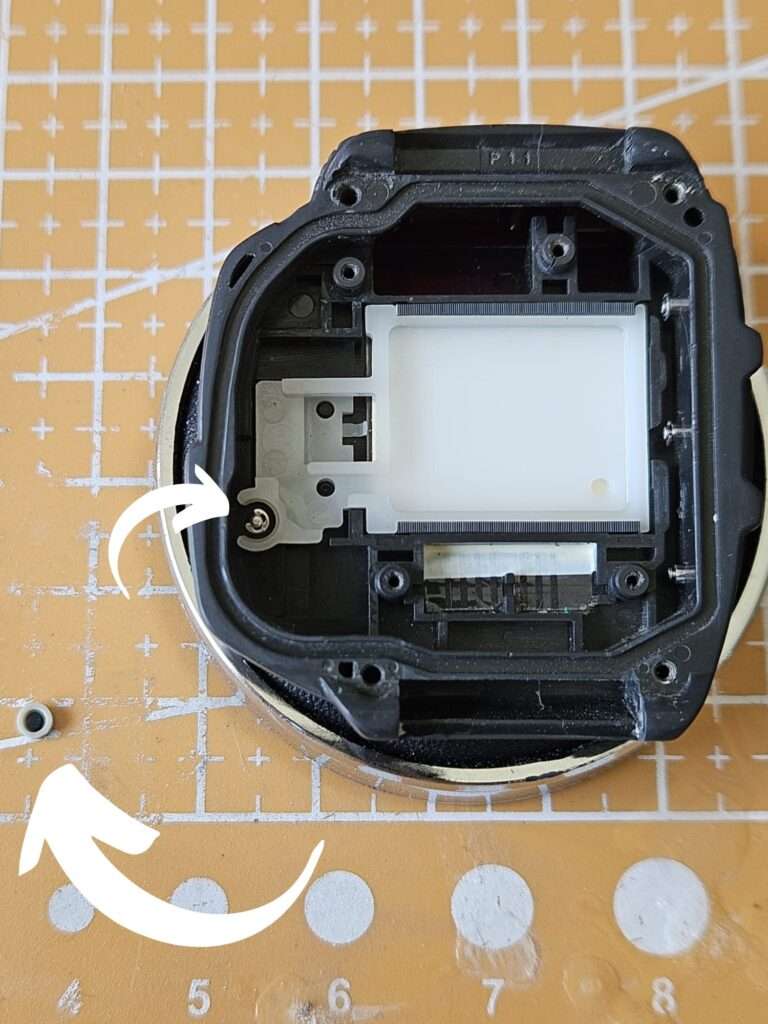
The watch was alive. Functions working, buttons responding. But there was another problem, about 50% of the LCD segments were dead. The display was there, but half of it wasn’t showing. I contacted Badr, explained the situation honestly, and we agreed on the next step: find a replacement screen. After some searching I found a correct LCD for this module listed on eBay in Portugal, priced at €30 including shipping. We confirmed it together and I placed the order.
Step 2: Replacing the LCD
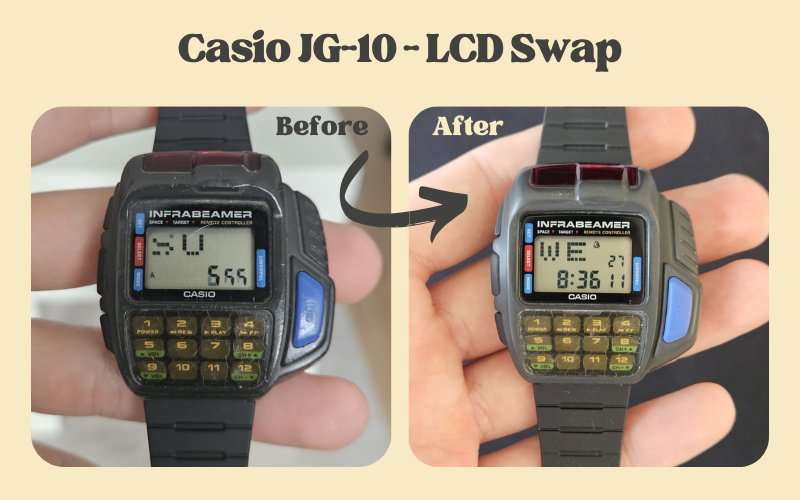
The screen arrived after about a week. I swapped it out, reassembled the module, and powered it on, full display, every segment working, all functions correct. That was the moment the restoration really started, because until then I didn’t know for certain what I was actually working with. 👍
Step 3: Crystal Polishing
The acrylic crystal had deep scratches, so I started with the super glue method. Using a thin pin I applied tiny drops of glue directly into the deeper cuts, let it set, then sanded it flush with the crystal surface. After that I wet sanded progressively from 800 through 7000 grit, working slowly through each pass. The final step was Polywatch paste with a felt pad. The crystal came out completely clear.
Step 4: Case Refinishing
The case followed the same sanding process as the crystal, but I stopped at 2500 grit. For the finish I used a white magic eraser, worked both wet and dry, to bring back the original matte texture of the case. The back cover got a pass with an abrasive pad to remove the micro-scratches and restore the factory cross-brushed finish. No over-polishing, no glossy result, just the original look the watch had when it left the factory.
Step 5: Strap
An original JG-10 strap is not available anywhere, so I looked for the closest alternative. The strap from a Casio F-91W fits the JG-10 perfectly. It’s not a compromise, it looks correct on the watch and feels right on the wrist. Sometimes the simplest solution is the best one. 🛠️
The Result
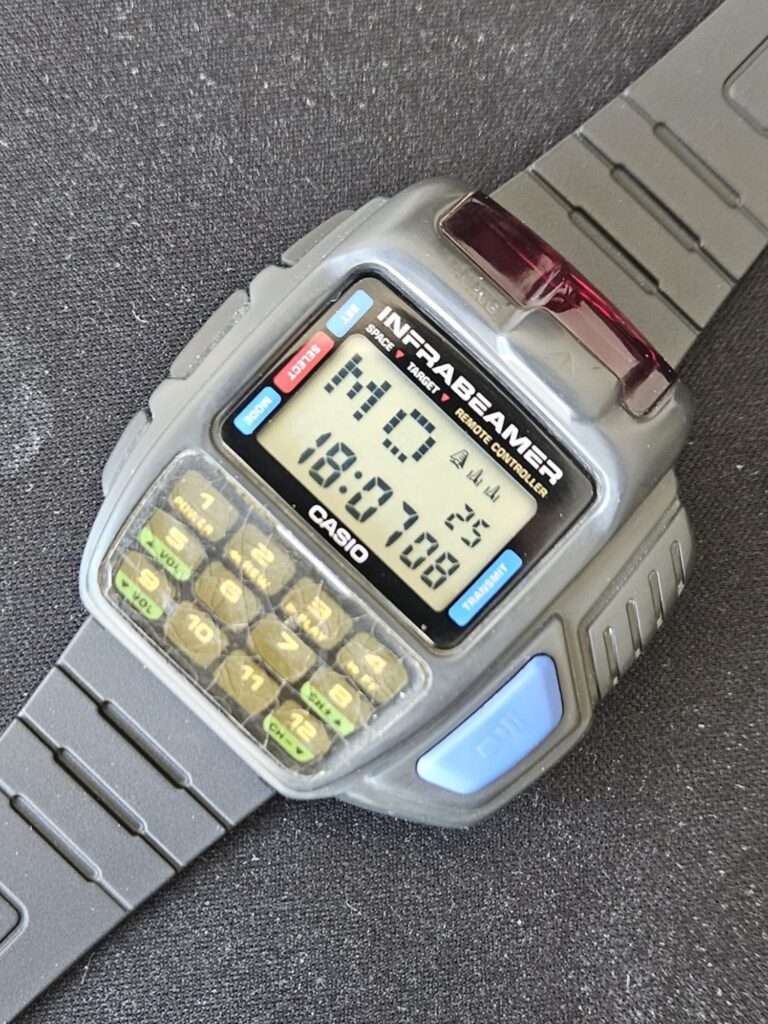
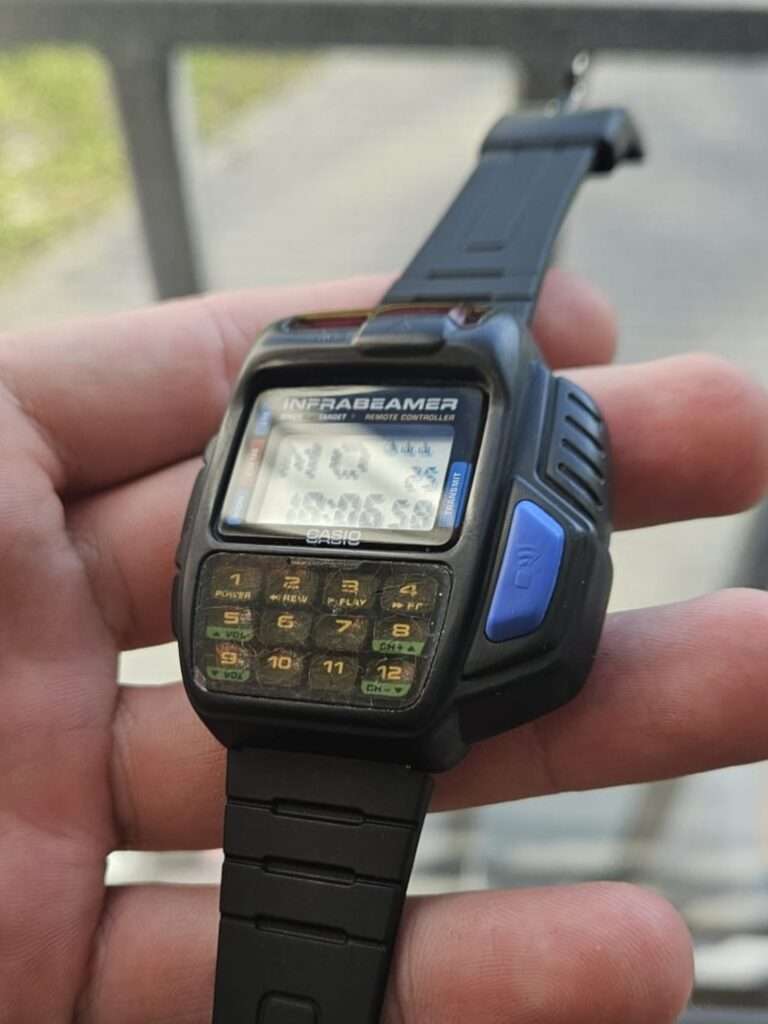
The JG-10 came out better than I expected when I first opened that package from London. The module runs clean, full display, all functions working, buttons responding correctly. Whatever those missing components were doing to the watch, it’s fixed. The crystal is clear with no trace of the original scratches, the case has its matte finish back, and the back cover shows the original cross-brushed texture. The F-91W strap ties the whole thing together and fits like it was made for it.
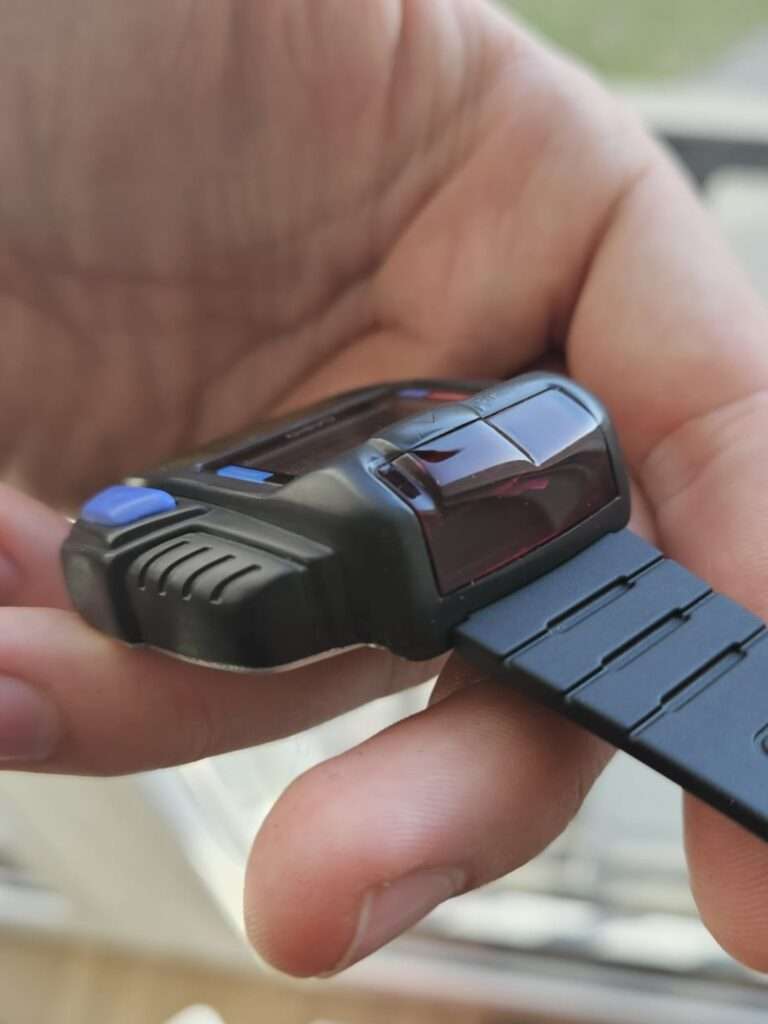
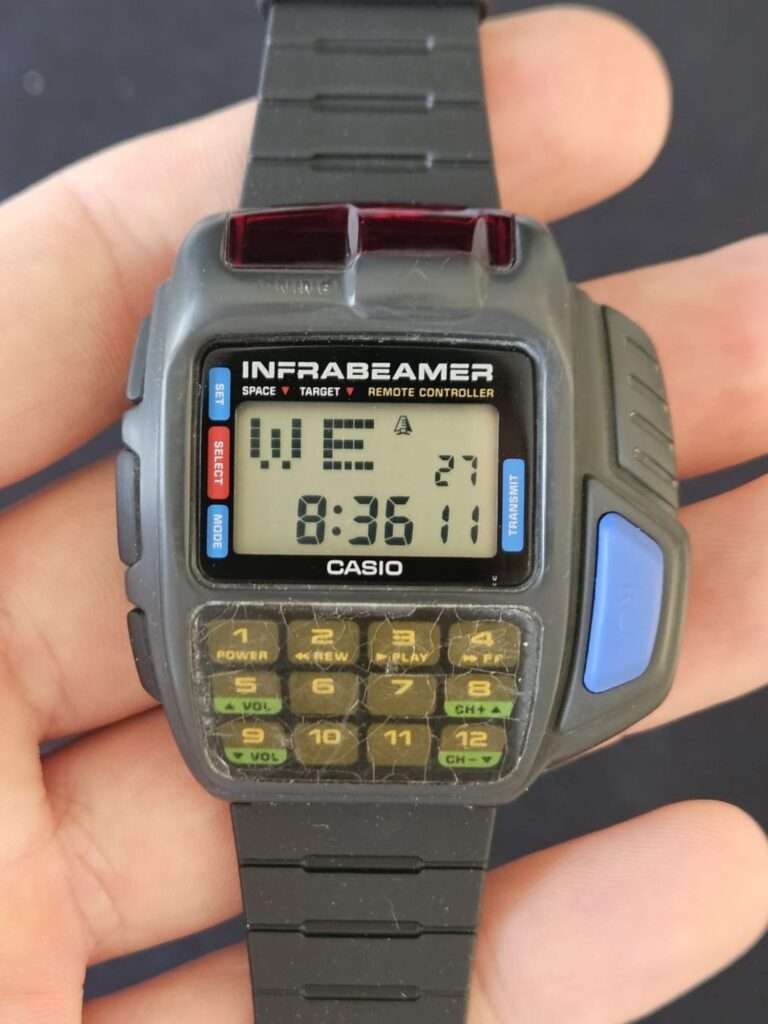
There is one thing I have to be honest about. The scorched keypad is still there. I couldn’t fix it, no replacement exists, no donor watch had a usable one. The watch carries that mark, and it will keep carrying it. For some collectors that’s part of the story. For others it matters more. I think it’s important to say it clearly rather than pretend the restoration was perfect, because it wasn’t. It was as complete as the parts situation allowed. ⌚
What makes this one stick with me is the journey it took just to get here. A collector in Saudi Arabia, a cousin in London, a replacement LCD from Portugal, parts pulled from my donor stock, and a watch that most people have never seen in person running again after years of silence. The JG-10 doesn’t show up often, and when it does it’s rarely in this condition. Glad Badr didn’t give up on the logistics. 😄
If you own a JG-10 or happen to know where a working keypad donor might be hiding, I’m genuinely curious. Drop a comment or reach out directly. These watches deserve to be found.
Want Your Vintage Casio Restored?
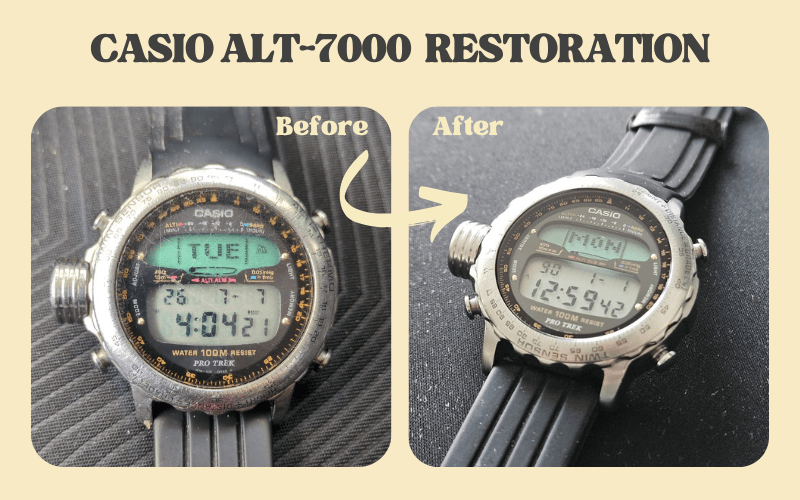
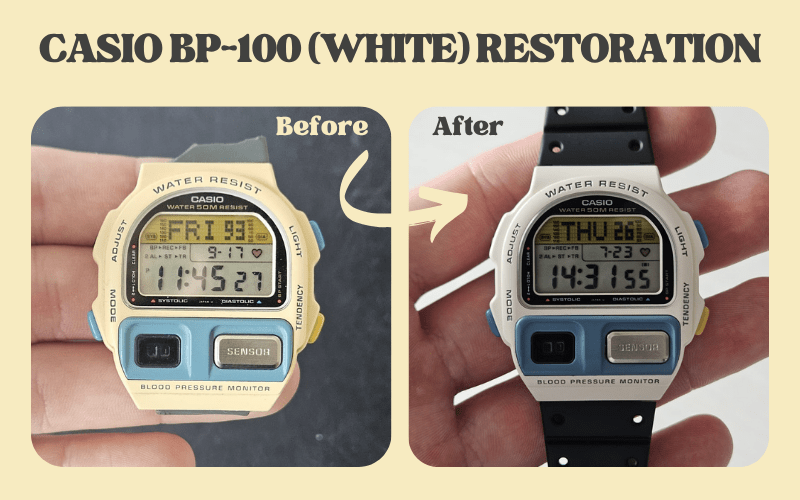
This JG-10 is one example of the restorations I do. I restore vintage Casio watches for collectors and enthusiasts around the world, everything from straightforward cleanups to more complex repairs like the PCB and LCD work on this one.


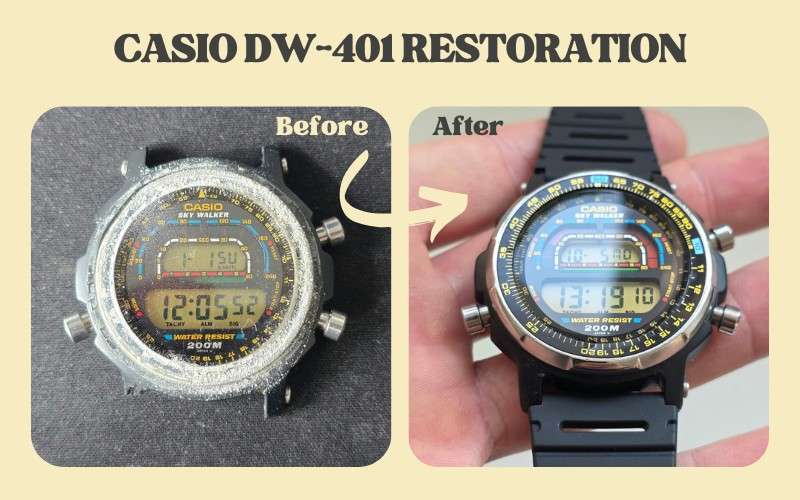
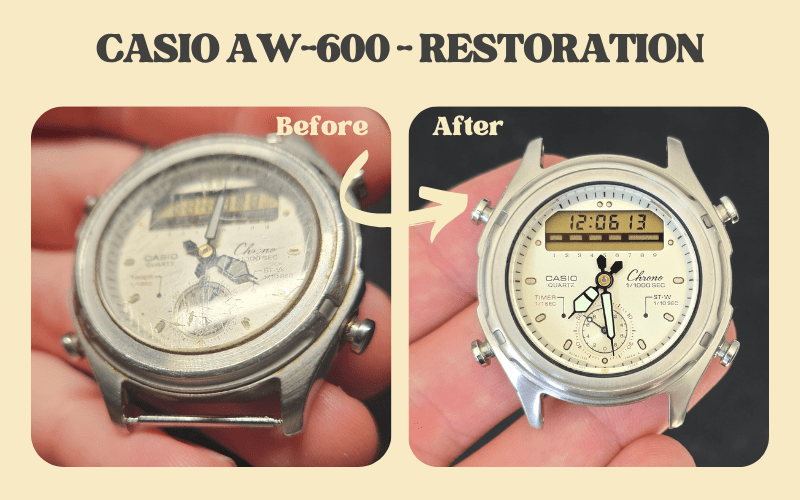
You can see more of my previous projects here: 👉 casiorestore.com/projects-restorations
I work mainly with collectors across Europe and shipping is not a problem. I have already completed restorations for collectors from the UK, Scotland, Sweden, Ireland, Spain, France, and more. That said, as this JG-10 project shows, sometimes logistics from outside Europe can be worked out too, it just takes a bit of creativity. 😄 Every project is discussed individually, so we always agree on the scope and price before starting. 🛠️
The process is simple:
- Write to me on Instagram: @vintage.casio.restore
- Or send me an email: vintagecasiorestore@gmail.com
- Describe the problem with your watch, send clear photos, and tell me your country.
If your vintage Casio deserves a second life, I will be happy to help. 👍

Daniel is the person behind Vintage Casio Restore, a project dedicated to restoring and documenting vintage Casio digital watches from the 80s and 90s. Based in Poland, he combines technical precision with a passion for retro design, bringing forgotten models back to life and sharing their stories online.Outside the workshop, Daniel works in a digital agency, managing SEO and content strategy for technology clients, blending his professional experience with his love for classic tech and design.
Leave a Reply