One day I got a DM on Instagram. A follower from London reached out asking if I could help fix her daughter’s Casio CMD-10. The watch had stopped showing the time. She swapped the battery herself, but the screen stayed blank. So she asked if I could take a look.
I said yes. We agreed on a price, she packed it up and posted it from London. A few days later, the watch arrived in Rzeszów, Poland, and landed on my workbench. 🔧
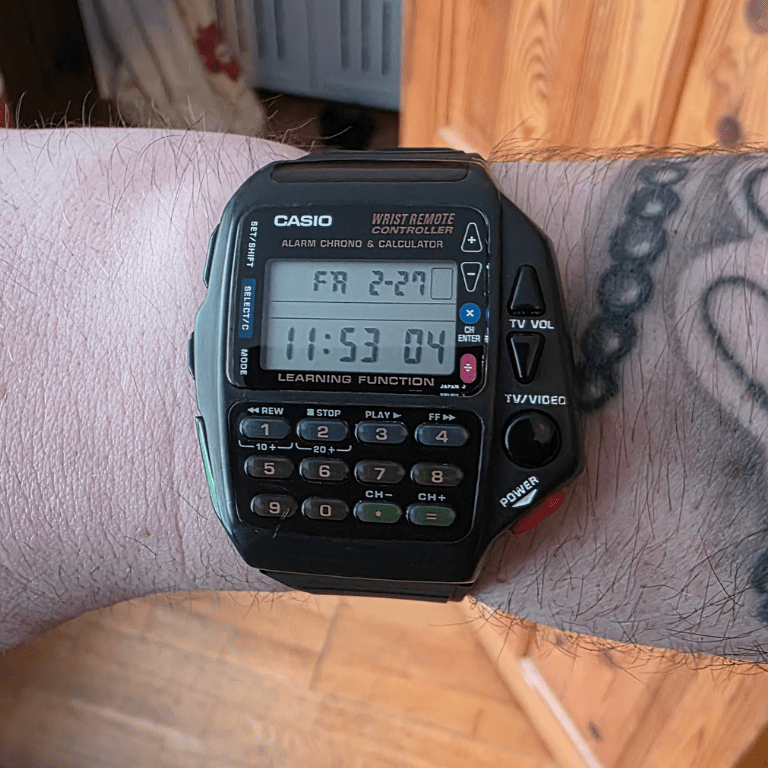
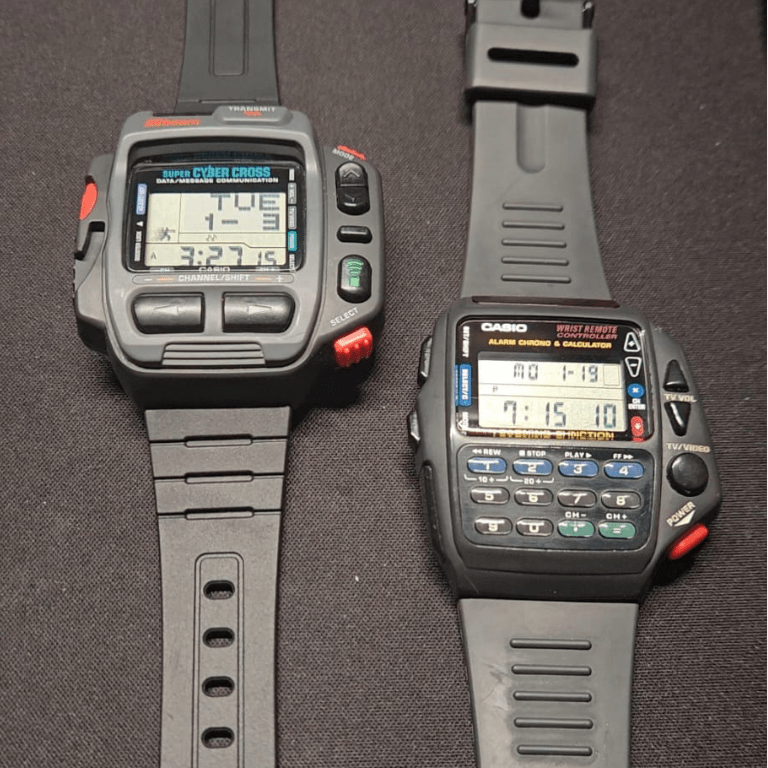
The CMD-10 is one of Casio’s most unusual watches from the early 1990s. It runs on module 1028 and does something no normal watch does: it controls your TV. There is a real infrared blaster built above the display. You could change channels, adjust volume, and control a VCR, all from your wrist. Only Casio would think of that.
This one just needed someone to bring it back to life.
What Did the Watch Look Like When It Arrived?
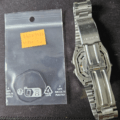
The watch arrived from London. Once I took it out and looked closer, there was plenty to deal with.
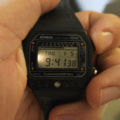
The screen was completely blank. Not dim, not flickering. Just black. The battery swap hadn’t helped, so something deeper was wrong inside the module. That was the main problem to solve.
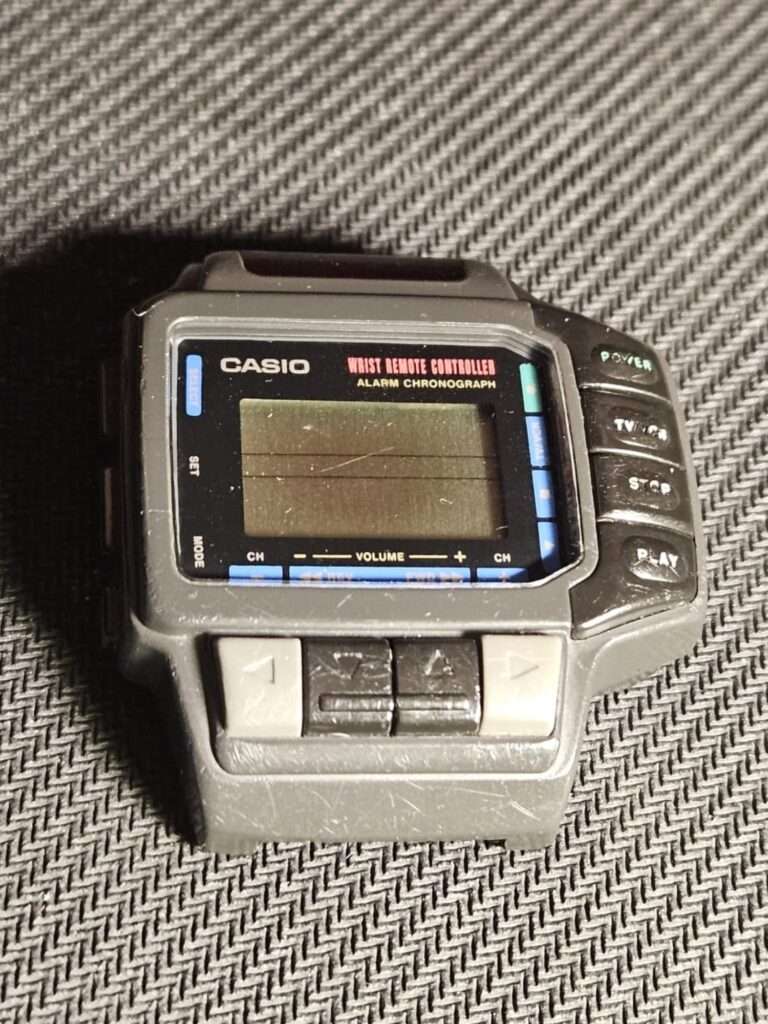
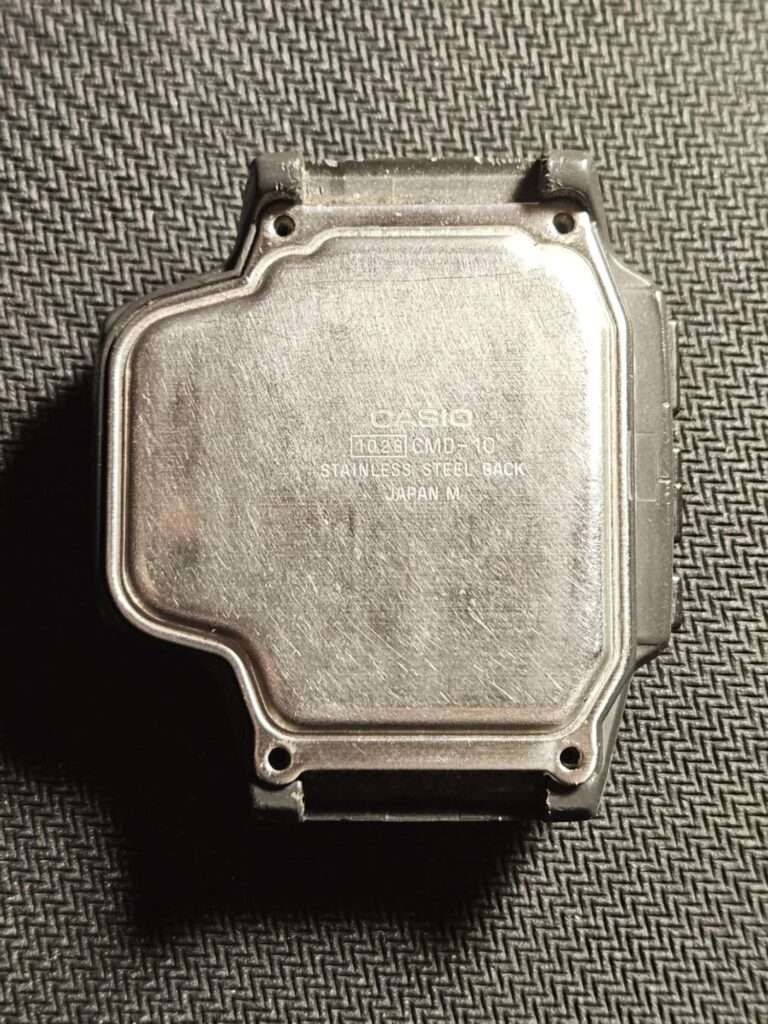
The case told its own story too. The CMD-10 has 11 buttons, and most of them were heavily scratched. Not just surface marks. Real, deep scratches from years of use. The crystal had scratches as well, and the case had the kind of dull, worn look you see on watches that were actually worn, not kept in a box. The strap had already been replaced by the owner at some point, so I left it as it was.
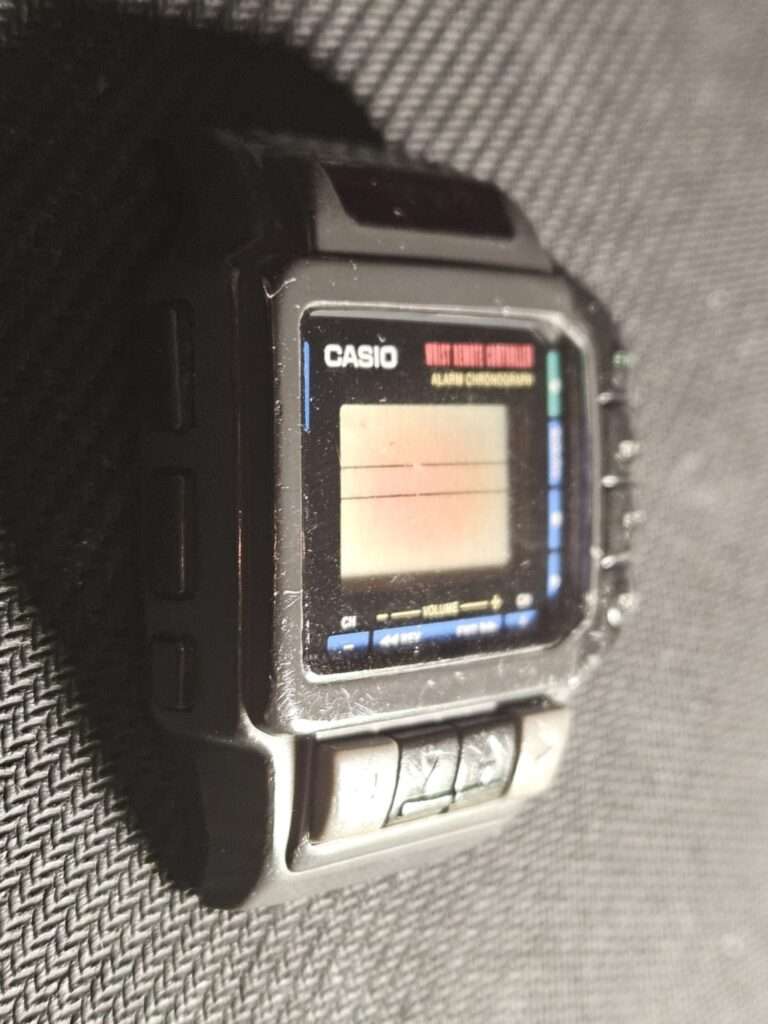
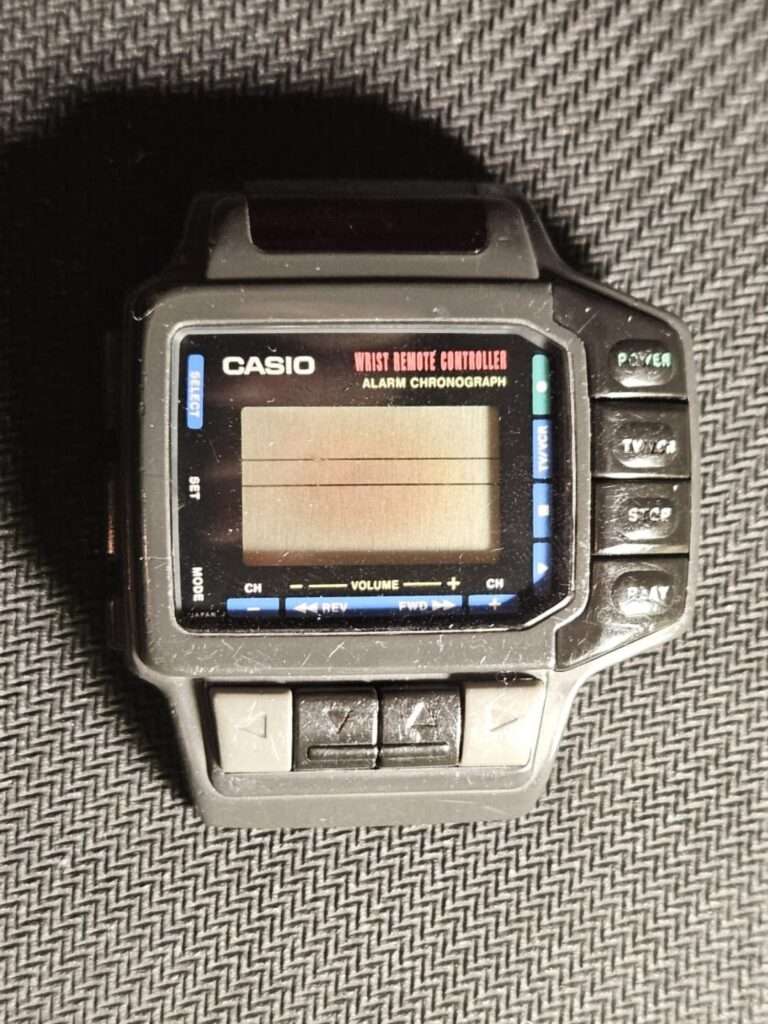
Overall, the watch was in the condition you would expect from a 30-year-old Casio that had lived a full life. Not broken beyond repair. But it needed both a technical fix and a full visual refresh. 🔧
Based on the outline, the restoration had two sides: technical and visual. Here it is:
The Restoration Process
This project had two parts. First, fix the blank screen. Second, bring the watch back visually. Both were needed. Let’s go through each step.
Step 1: Full Disassembly and Cleaning
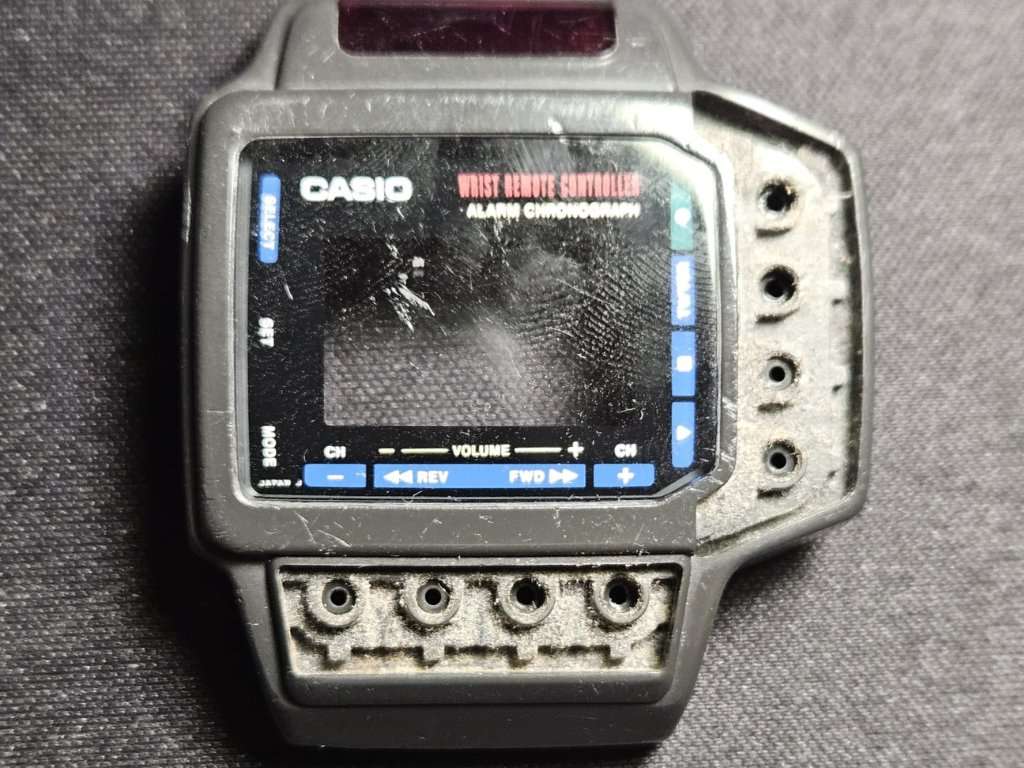
I started by taking the watch completely apart. The module came out, the buttons came out, and the case was fully open. I cleaned everything with isopropyl alcohol. Old dirt, dust, and residue came off the PCB and all the small components. You can’t properly diagnose a blank screen on a dirty module, so this step always comes first.
Step 2: Diagnosing and Fixing the Blank Screen
With the module clean, I could properly inspect it. The issue was traced to the polarising film. On older LCD watches, this film degrades over time and causes the screen to go completely blank, even with a fresh battery. It looks exactly like a dead watch, but the module itself is fine.
I replaced the polarising film with a new one. The screen came back to life. One honest note here: the replacement film has a slight green tint at certain angles. This is a characteristic of the LCD itself, not a fault in the repair. In normal wear it is barely noticeable. 😅
Step 3: Fresh Battery
With the screen working again, I fitted a fresh CR2032 battery and ran a full reset. All functions responded correctly. Time, alarm, stopwatch, and yes, the IR remote too. 📺
Step 4: Scratch Removal on the Case and Buttons
This was the hardest part of the whole job. The CMD-10 has 11 buttons, and most of them were deeply scratched. I sanded each one carefully, working through grits to level the surface as evenly as possible. The deeper scratches couldn’t be fully removed without taking off too much material, so some traces remain. I always prefer to be honest about that rather than oversand and change the shape of the button.
The case and crystal got the same treatment. I worked from coarser to finer sandpaper, finishing with a polishing compound to bring back clarity and a clean surface.
Step 5: Crystal Polish
After sanding, I polished the crystal using Polywatch. A few rounds with a microfiber cloth and the haze was gone. The display became easy to read again, sharp and clear.
Step 6: Case Back Polish
The case back was polished separately. Scratches and light oxidation marks were removed. The surface became clean and reflective again.
Step 7: Button Legend Refresh
The printed legends on several buttons had faded. I refreshed them carefully using white acrylic paint, filling the recessed lettering and wiping off the excess. Small detail, big visual difference.
Step 8: Gasket and Button Seal Re-siliconing
Finally, I re-siliconed the case back gasket and all button seals. Fresh silicone keeps everything flexible and helps protect the module from dust and moisture getting in through the buttons. It also gives the buttons a better, more responsive feel when pressed. 🛠️
Casio CMD-10 After Restoration: Final Result
The CMD-10 came out really well. Better than it looked when it arrived, by a long way.
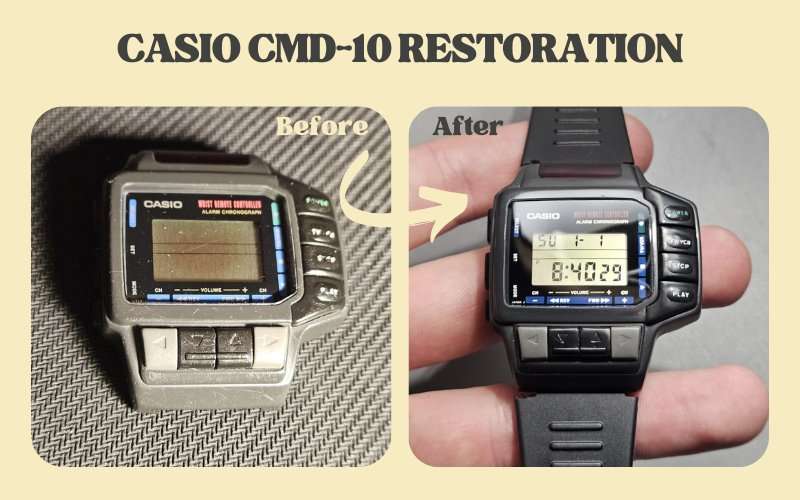
On the technical side, everything works. The screen is alive, the time is showing, all 11 buttons respond cleanly, and the IR blaster functions as it should. Somewhere out there, a London television might be about to get its channels changed from a wrist. 📺
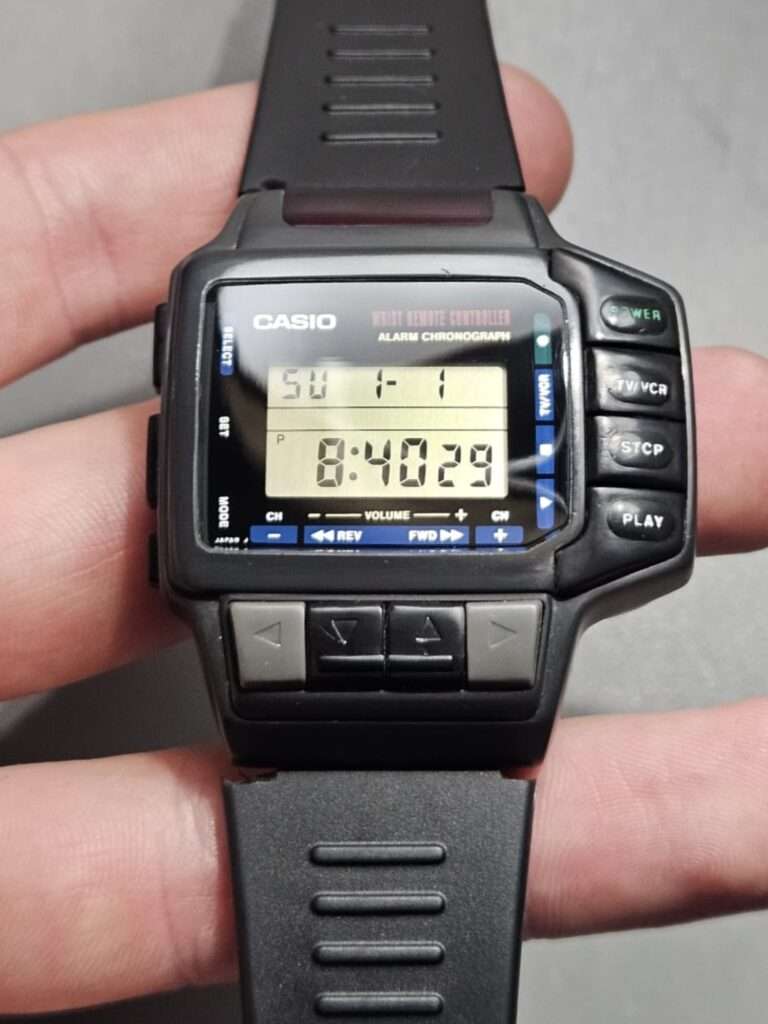
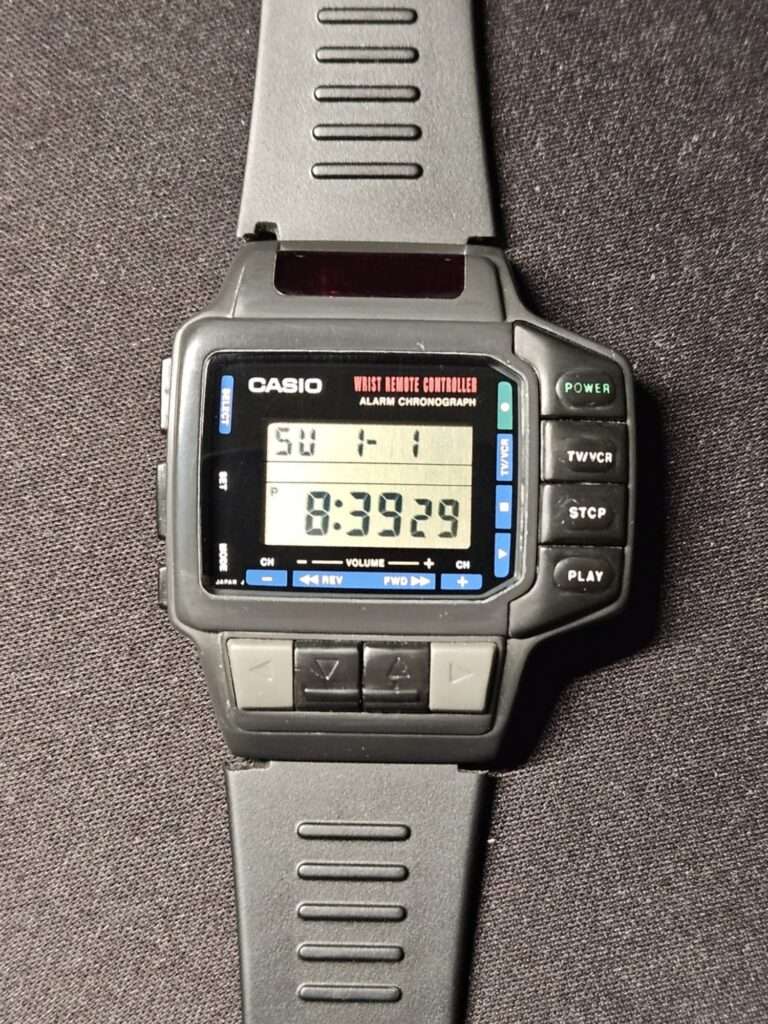
Visually, the watch looks sharp again. The crystal is clear, the case back is polished, and the button legends are easy to read. The scratches on the buttons were the toughest part of this job. With 11 buttons, most of them heavily worn, it took a long time to work through each one carefully. The deeper scratches left some traces, but the overall result is a big step up from where it started.
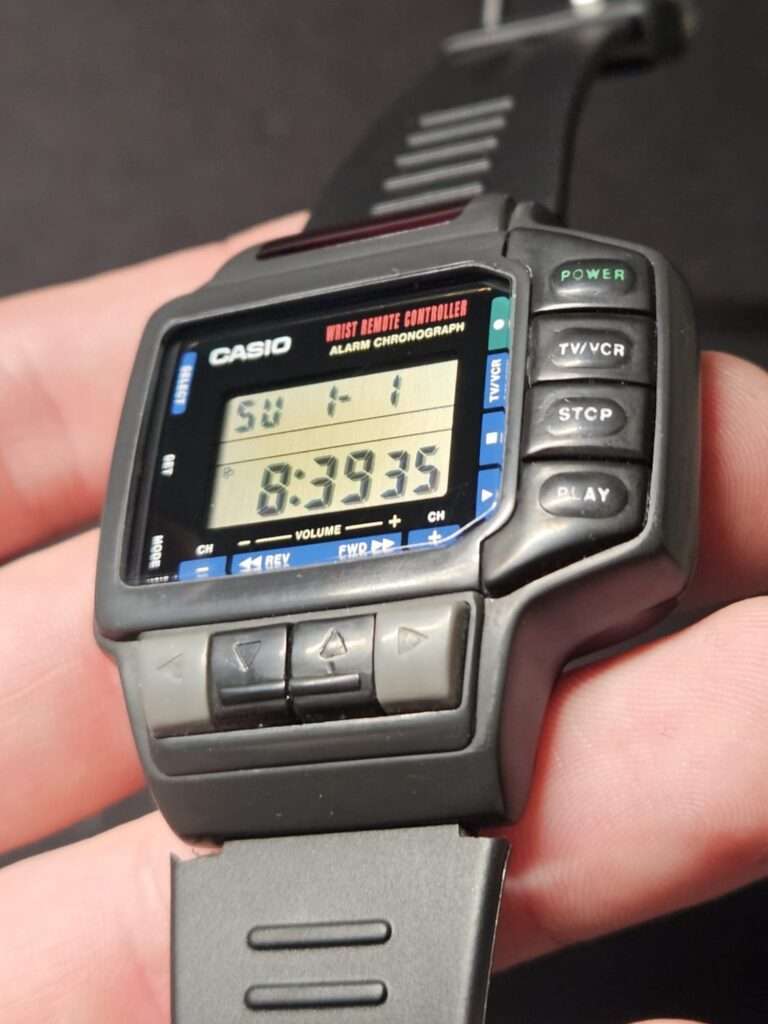
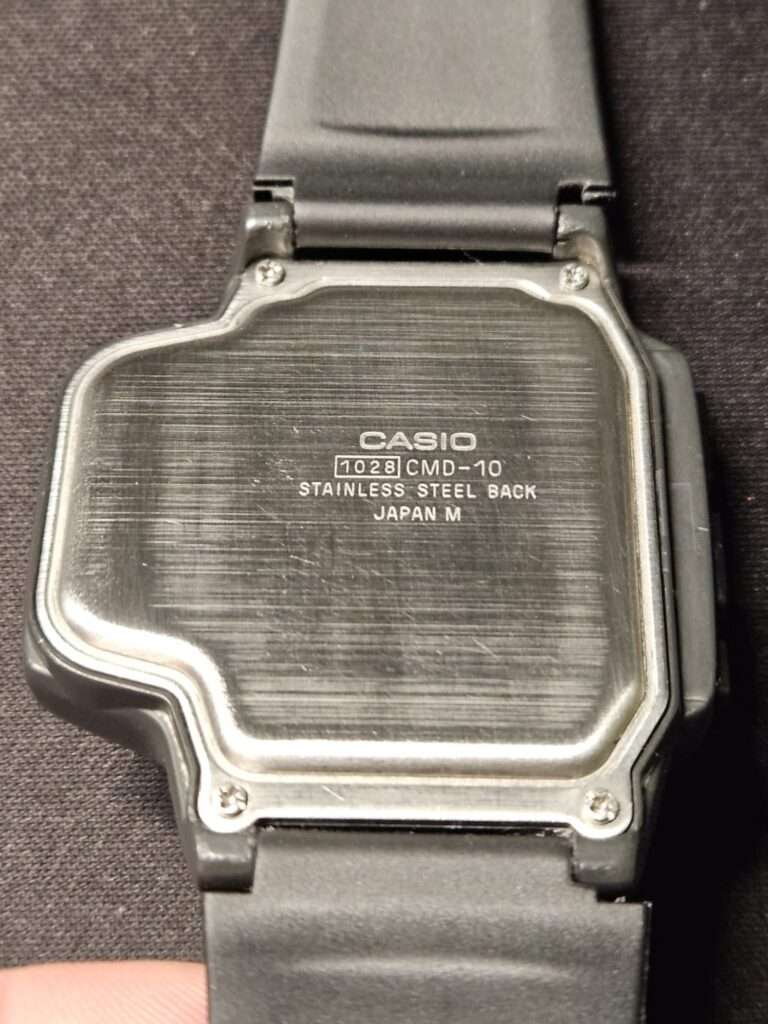
Two small things worth mentioning. The strap was already replaced by the owner before the watch arrived, so I left it untouched. And the polarising film replacement brings a slight green tint to the screen at certain angles. This is the nature of the LCD itself, not something that can be fixed. In normal wear it is barely noticeable.
Overall, a watch that arrived blank and beaten up left looking like it had a second life. That’s what this is all about. 😊
Based on your CMD-40 restoration CTA style, here it is:

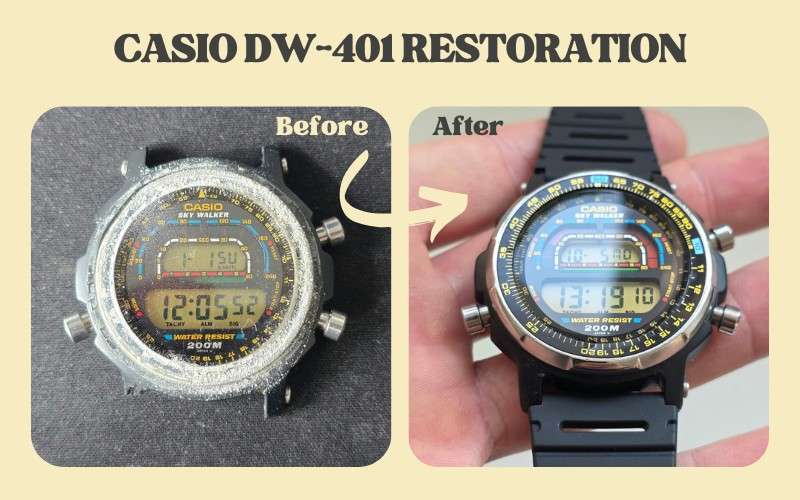
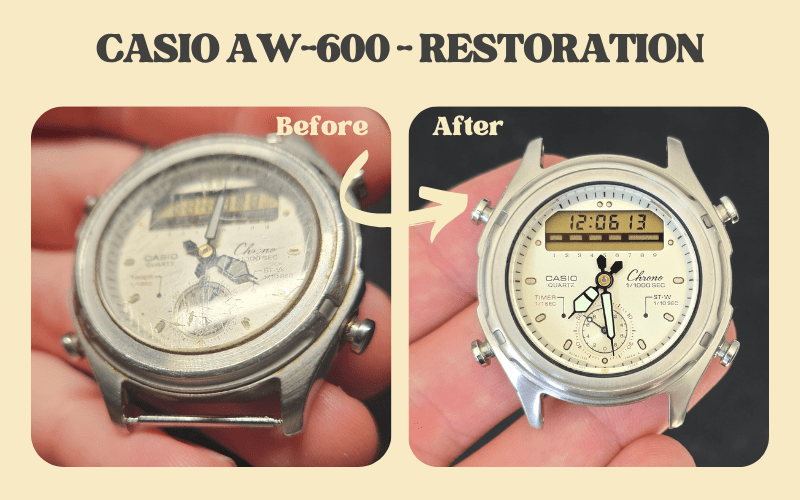
This CMD-10 is one example of the restorations I do ⌚. I also restore vintage Casio watches for other collectors around the world. You can see more of my previous projects here: 👉 https://casiorestore.com/projects-restorations/
I work internationally and shipping is not a problem. I have already completed restorations for collectors from the UK, Sweden, Poland, France, and more. Every project is discussed individually, so we always agree on the scope, price, and shipping before starting. 🛠️
The process is simple:
- Write to me on Instagram: @vintage.casio.restore
- Or send me an email: vintagecasiorestore@gmail.com
- Describe the problem with your watch
- Send clear photos
- Tell me your country
If your Casio deserves a second life, I will be happy to help. 👍

Daniel is the person behind Vintage Casio Restore, a project dedicated to restoring and documenting vintage Casio digital watches from the 80s and 90s. Based in Poland, he combines technical precision with a passion for retro design, bringing forgotten models back to life and sharing their stories online.Outside the workshop, Daniel works in a digital agency, managing SEO and content strategy for technology clients, blending his professional experience with his love for classic tech and design.
Leave a Reply